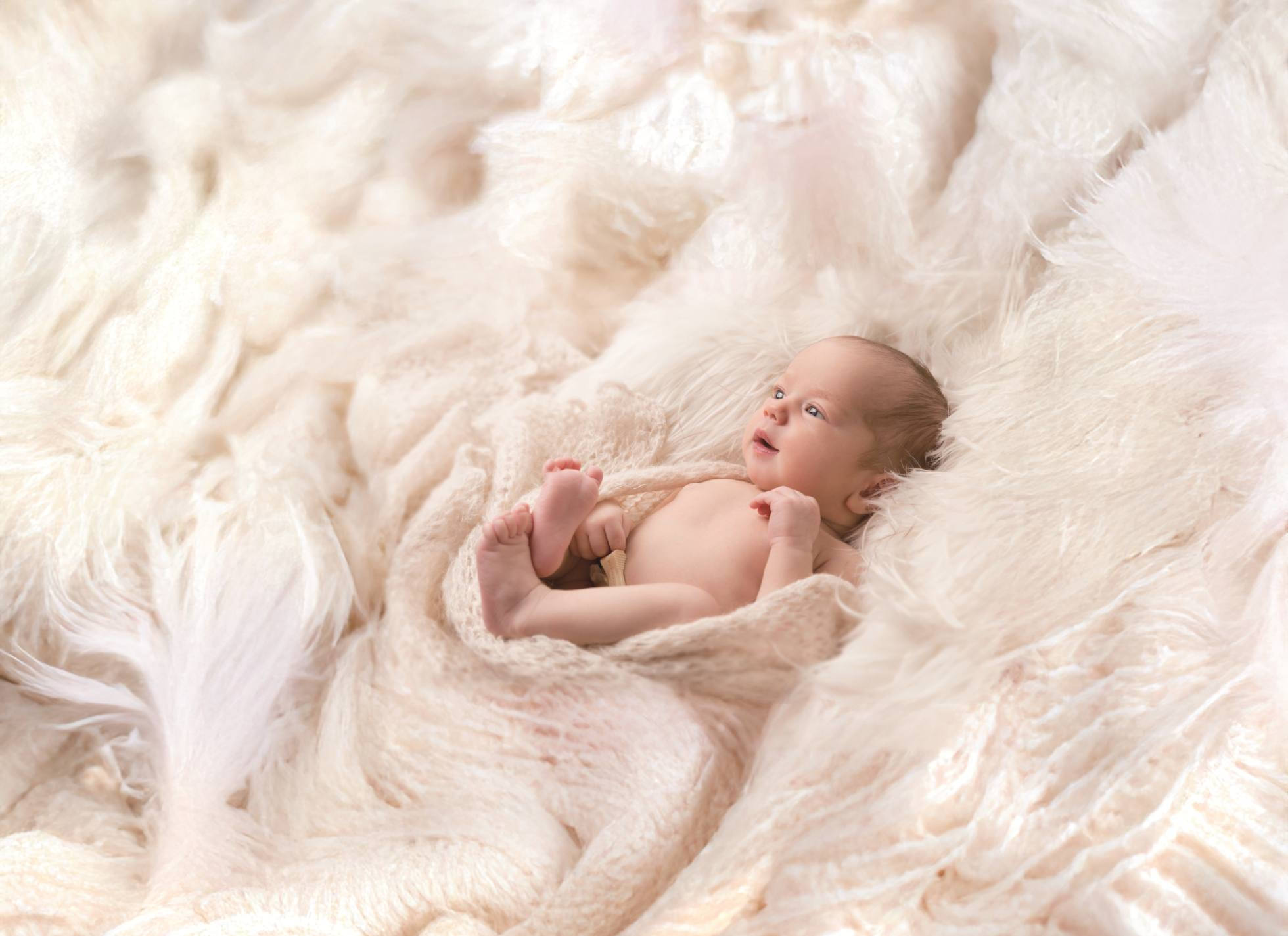
An adult has 206 bones, but a newborn has about 270 to 300. How can such a tiny body—small enough to rest in an adult’s arms—contain more bones than a fully-grown person?
When a baby is born, it must pass through the birth canal. The baby’s head—about a quarter of its body length and over 30 centimeters in circumference—has to fit through this narrow passage. A newborn’s skull isn’t a single solid bone; it is made up of several soft cartilage plates that can shift and overlap under pressure. This flexibility allows the head to temporarily change shape and pass safely through the birth canal.
In the months and years that follow, a baby—still learning to control its body—will bump into things, fall countless times while learning to walk, and explore the world with unsteady steps. Yet its soft, pliable bones absorb impacts well, reducing the risk of serious injury. This same flexibility also allows for rapid growth, as the bones have not yet fused into the solid structure of adulthood.
A baby’s small and fragile body is designed to protect itself until it can move with purpose. Life begins with such thoughtful design—delicate and precious, yet structured to shield it from countless dangers.
29