undefined
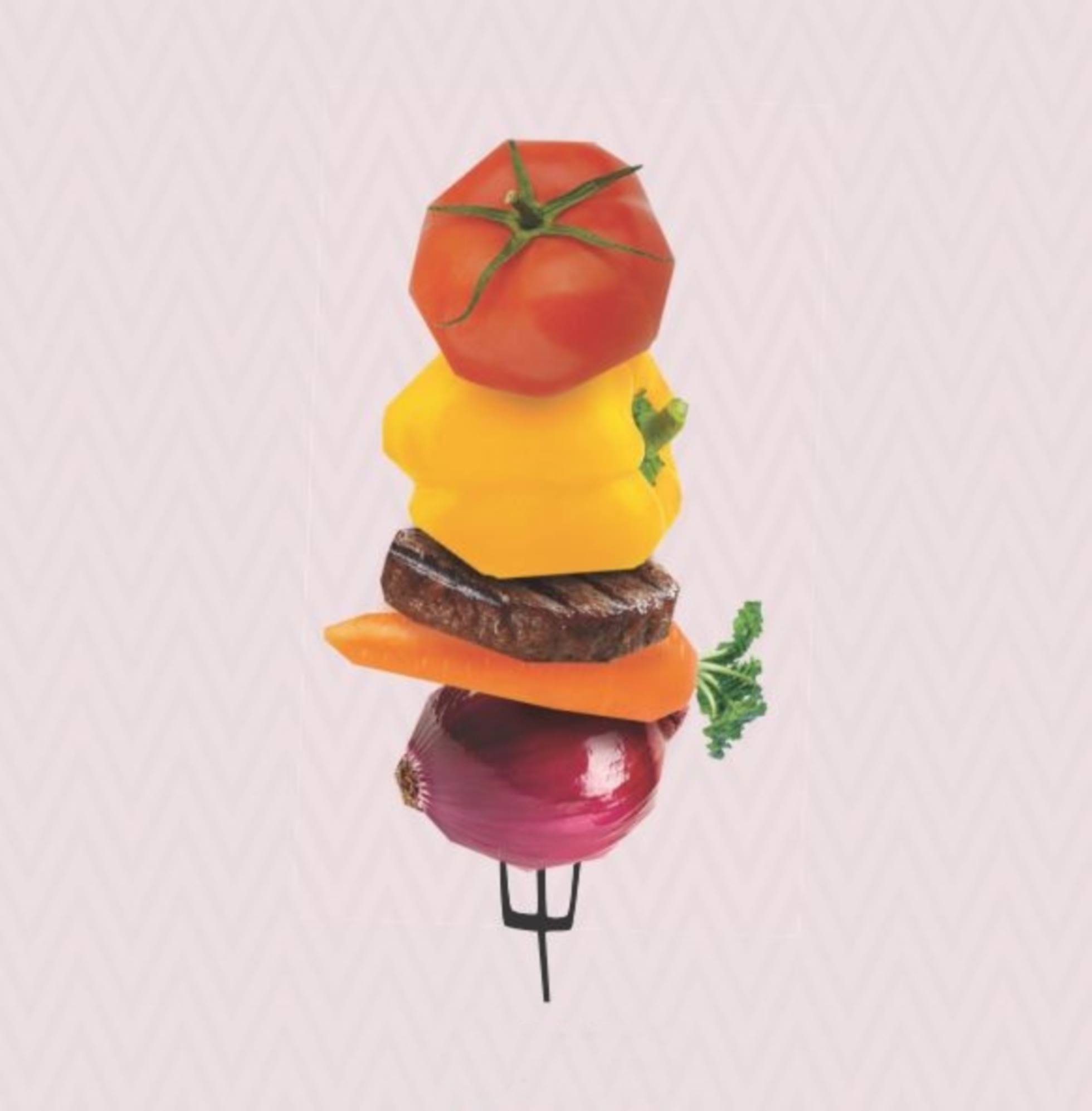
Eating is one of the most basic human activities, inseparable from life itself. It is something all living creatures share. Ecosystems are sustained through the food chain, where life feeds on life. The earliest chapters of human history were also shaped by the pursuit of food. To survive, people made tools, hunted, gathered, and cultivated the land.
For this reason, eating has always been closely tied to how we live. People often say that the secret to a good life is simply to eat well and live well. A job is often described as something that “puts food on the table,” and the age-old question “Do we eat to live, or live to eat?” is still widely asked. In this sense, eating and living cannot be separated. To live is to eat, and to eat is to live. In the end, to eat well is to live well.
The Body Is Made of What We Eat
Pine caterpillars that feed on pine needles live in pine forests, and pandas that eat bamboo leaves live in bamboo groves. Flies that emerge from food waste hover around rotting scraps, while bees that feed on nectar linger among flowers. Flamingos turn pink because they eat foods rich in carotenoid pigments, such as crabs and shrimp. Koalas, which feed on toxic eucalyptus leaves, sleep for long hours as their bodies slowly digest the leaves.
Just as an animal’s diet profoundly influences the animal itself, the same is true for humans. “You are what you eat.” “Tell me what you eat, and I will tell you what you are.” Sayings like these, which highlight the importance of food, are no longer dismissed as exaggerations. Increasingly, they are recognized as truths supported by science.
The human digestive process clearly illustrates this idea. When food enters the mouth and is chewed, it is broken into smaller pieces while saliva begins the process of digestion. The swallowed food then travels down the esophagus to the stomach, where gastric juices continue to break it down. It then moves to the small intestine, where it is further digested and absorbed into the bloodstream. As nutrients are carried through the blood to the body’s tissues and organs, each cell receives the energy it needs to function, sustaining life.
Cells are the basic units of the human body. They constantly break down and renew themselves according to their life cycles. The materials required for this process—proteins, fats, carbohydrates, vitamins, and minerals—are supplied largely through the food we eat. By eating and drinking, the body takes in nutrients from outside the body, producing the energy needed for activity and forming red blood cells, body tissues, and organs. In this sense, it is no exaggeration to say that we are literally made from the food we eat.
We live our entire lives in this one and only body. Our parents gave us our bodies, but it is up to us to care for them and keep them healthy. Therefore, we should avoid anything that harms the body and take responsibility for the food we choose to eat.
What We Eat Shapes the Mind
Food brings us great joy. Some even say, “What would life be without the pleasure of eating?” In fact, eating stimulates many of our senses. A table filled with a variety of colorful dishes delights the eyes, while the flavors that spread across the palate and the textures we experience as we chew satisfy our senses of taste and smell. These sensory experiences activate the brain’s reward center, creating feelings of pleasure and happiness while helping to reduce stress.
While the act of eating itself can lift our mood, neuroscience has also revealed that the nutrients in the food we consume influence our thoughts and emotions. Human emotions are affected by neurotransmitters, whose precursors1 are not produced spontaneously in the body but are derived from the foods we eat. In other words, what enters our bodies can influence how the brain functions. In particular, serotonin—often called the “happiness hormone” because of its central role in mental health—is closely connected to our diet, since most of it is produced in the digestive system.
Therefore, our mood can change depending on what we eat, and our long-term dietary habits can significantly influence mental health. Mind, a mental health charity in the United Kingdom, reported that in a study of 200 people experiencing symptoms of depression, panic disorder, and anxiety, about 90 percent of those who switched to a natural, whole-food diet experienced improvement in their symptoms. Likewise, a study by the University of Agder in Norway, which tracked the diets of more than 40,000 children, found a clear link between diet and personality. Children who grew up eating healthier diets scored higher in traits such as conscientiousness, openness, extraversion, and agreeableness.
American psychiatrist Dr. Drew Ramsey points out that while we cannot control our genes, we can control how we eat—and through those choices we can care for our brain health every day. It may be difficult to constantly trace the cause-and-effect relationship between what we eat and how we feel. Yet if we care about our mental health, we should remember that the food we eat influences not only our bodies but also our minds.
What and How Should We Eat?
Because eating is something we do every day, mealtimes can sometimes begin to feel like just another task to get through. Yet since life itself is closely tied to eating, we cannot help but keep asking the question: What should we eat, and how should we eat it? First, we need to think about the standards we use when choosing food for ourselves and our families. We readily believe that medicine can cure illness, yet we often give little thought to the effects of the food we eat. Too often, we choose what to eat simply because it tastes good or is convenient, without considering what nutrients it contains, what ingredients were used, or how it was prepared.
It is already widely known that fast food and instant meals are not good for our health. Junk food and processed foods—designed to stimulate the appetite through carefully balanced combinations of sweetness, saltiness, and fat—often provide little more than momentary pleasure for the palate while offering few of the nutrients the body truly needs. In his book Food Rules, Professor Michael Pollan of the University of California, Berkeley, writes that simply learning to distinguish real food from factory-made products goes a long way toward meeting the challenge of eating well.
Healthy food is made from natural ingredients such as fresh fruits, vegetables, meat, fish, and nuts. These foods are rich in essential nutrients, including carbohydrates, proteins, fats, vitamins, and minerals. A balanced diet that provides these nutrients supports not only physical health but also emotional stability. In this way, healthy eating becomes a foundation for happiness and a higher quality of life.
Just as important as what we eat is who we share our meals with. Eating is necessary for survival, but it is also a meaningful social activity. The joy of eating is greatest when it is shared with people we love. Sharing good food and conversation with loved ones—family and friends—brings not only happiness but also strength and encouragement for life. Even sharing a meal with family for about twenty minutes three or more times a week can improve both physical and emotional well-being. Food shared with family carries a value that goes far beyond simple nourishment.
If the sources of human energy were as limited as animal feed or automobile fuel, the question of what to eat would disappear—and with it, the joy of eating. Fortunately, humans can enjoy a wide variety of foods, each with its own taste, aroma, and texture.
The Earth, humanity’s home, is like a vast storehouse of ingredients. Mountains, seas, and fields teem with life, and depending on climate and geography, nature provides a rich diversity of foods that fill our tables. Yet even with such abundance, what would life be like if we lacked the senses of taste and smell? The joy of eating—and perhaps even the joy of life itself—would fade away. This is why we should be grateful for every bite of bread, every slice of fruit, and every piece of meat.
There is a clear difference between simply eating a meal and savoring it with family in gratitude—gratitude for nature, which provides the fresh, nourishing ingredients humans cannot create themselves; for the people who labor to harvest them; for those who prepare and place them on the table; and for the senses that allow us to experience their taste and aroma. Perhaps those who live this way can truly be said to eat well and live well.
-------------------------------------
1. A substance from which another substance is formed. Tryptophan is a precursor to serotonin, and tyrosine is a precursor to dopamine.
47