#1
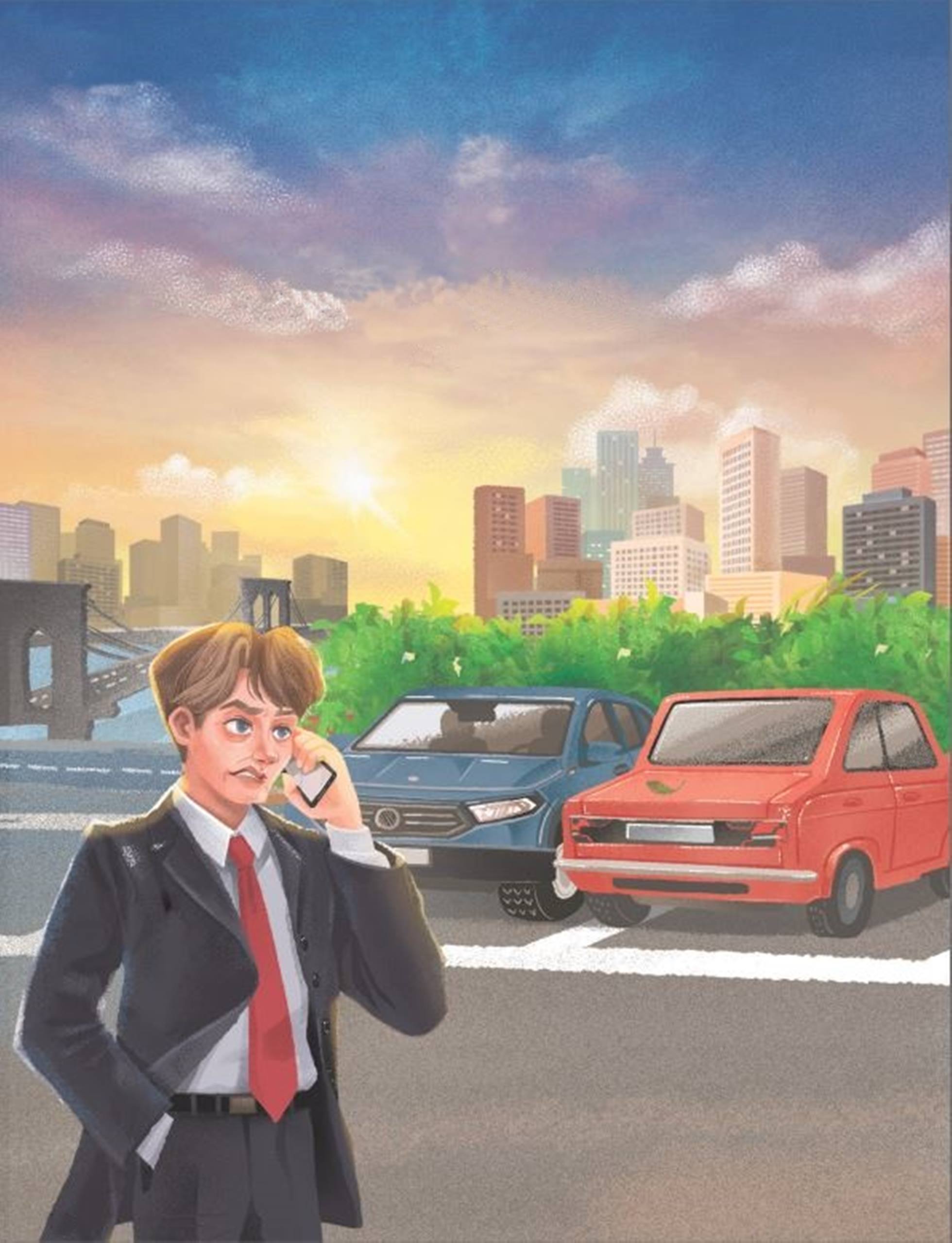
Austin frowned as he inspected the tight space between his car and the one beside it. The other vehicle was so close, its rear tire nearly grazed the line. He awkwardly squeezed into his seat, adjusted his jacket, and muttered,
“How is anyone supposed to get in with parking like that?”
His day didn’t get any better. After inching through rush hour traffic, he finally made it to the office—just in time to stare at an elevator stuck on the top floor. Robert’s report was in the wrong format and needed several revisions, and Kelly, the new hire, had accidentally shredded an important document along with scrap paper. By midday, Austin felt like he was
dragging a heavy cloud wherever he went.
After a long, exhausting day buried in work, Austin made it home at last. But the moment he looked toward his parking space, a heavy sigh slipped out. The same car from that morning was now well over the line—while the passenger side, facing the wall, had been left with an unnecessarily wide gap.
“Does he think he owns the whole world? Not even a shred of consideration.”
Austin couldn’t understand the other driver’s parking manners. Stifling his frustration, he called the number on the windshield.
“Hi, I’m trying to park, but your car is over the line. Could you please move it?”
On the other end, he could hear the rush of a shower and a child laughing in the background.
The man answered,
“Oh, I’m really sorry. I can’t come down just yet. If you don’t mind waiting five minutes—”
Austin tapped the ground with the tip of his shoe.
“Why should I waste my time because of you?”
“If I upset you, I apologize—”
“Do you really think saying sorry is enough after causing this kind of trouble? Please move your car. Now.”
A few minutes later, the man came hurrying over, out of breath but trying to smile.
“I’m really sorry for the trouble.”
Austin, still stiff-faced, gave only a faint nod, pulled into the space, and walked inside without another word.
#2
“So, what exactly are you planning to do?”
Austin’s voice was firm. Amy bit the inside of her cheek, hesitating. She had just explained that her mother, who lived in the countryside, had suddenly fallen ill and might need to be taken to the hospital.
She drew in a slow breath.
“I think . . . I’ll need to take the day off tomorrow.”
Austin tapped his pen on the desk. Then, catching her anxious glance, he set it down with a sharp click.
“The team deadline’s next week. What do you need to finish by tomorrow?”
“Just wrapping up the slides and the script.”
“Think you can get it done in time?”
“Um . . . I’m not sure . . .”
“Amy, Robert can’t really start rehearsing until you pass him the slides and script. We all need to do our part so things stay on track.”
“I’ll have my part done by tomorrow . . . before I leave.”
“This project will count toward our mid-year evaluation, so we really can’t afford to fall behind.”
With that, Austin turned back to the approval forms. Amy stood there a moment, then quietly returned to her desk.
#3
By the time Austin left the office, it was well past quitting time. The streets were slick with rain, and the night felt heavier than usual. As he turned into his neighborhood, he scanned the parking area beyond the glow of his headlights—and his heart sank. The same car, once again parked over the line. He gripped the steering wheel. Then, with a deep breath, he dialed the number still saved in his recent calls. The phone was off. Austin exhaled sharply.
“Seriously . . . what is going on with this guy?”
Thunder rumbled in Austin’s chest. Grabbing his umbrella, he stepped out to check if the man’s address was posted on the windshield. Just then, the driver’s side door swung open, and the man hurried out—without noticing Austin.
“Hey—,” Austin called out.
Austin was about to say something, but the words caught in his throat. The man opened the trunk and pulled out a foldable wheelchair. He unfolded the leather seat, set the wheels on the wet ground, and wedged an umbrella between his neck and shoulder. Then, using his sleeve, he gently wiped the raindrops from the seat. Austin stood still, saying nothing.
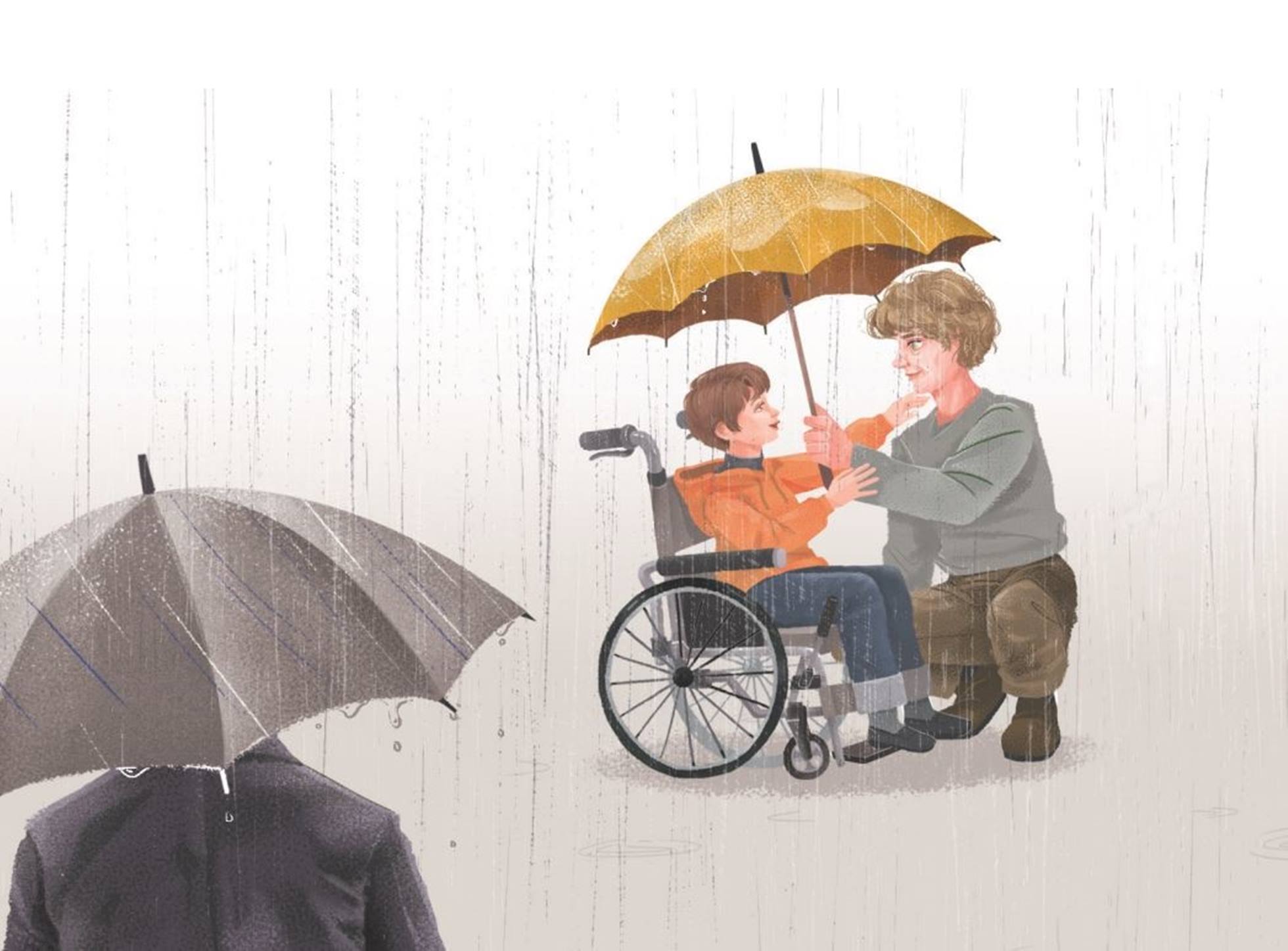
The man rolled the wheelchair to the passenger side and opened the door. A child poked his head out and naturally wrapped his arms around the man’s neck. Holding the umbrella in one hand and supporting the boy with the other, he carefully placed the child into the chair. As he pulled the wheelchair back and turned to leave the space, the man finally noticed Austin.
“Oh—hello.”
As the man greeted him, he suddenly glanced back at his car.
“Oh! I’m so sorry. Let me just get my child settled, and I’ll move the car right away.”
Bowing his head repeatedly, he quickly pushed the wheelchair away. Austin stepped closer and looked at the windshield. A disabled-parking permit and a contact number were posted there—something he hadn’t noticed before. He glanced around the lot. There wasn’t a single designated space for people with disabilities. When the man returned, he bowed again.
“I’ve caused you trouble again,” he said quietly. “I was just trying to leave enough room for the wheelchair . . . I didn’t think about how it might make things harder for others. I’m truly sorry.”
The man, now back, apologized to Austin once again. Austin gave a faint, awkward smile. Later that evening, sitting at his desk at home, he opened the city council website and submitted a request—to install designated parking spaces for people with disabilities. By then, the rain had quieted to a soft drizzle. Looking out the window, Austin found himself reflecting. Everyone in this complicated world carries their own burdens. And yet, he had judged someone too quickly, seeing only a small piece of the story—and in doing so, failed to offer the very consideration he had wanted for him self.
#4
“Excuse me, do you have a minute, sir?”
Austin looked up from his crowded inbox. It was Amy, standing in front of his desk with a file folder in her hands.
“Here are the slides and script I said I’d finish by today. I’ve marked the parts that need your input.”
Austin looked at her closely. Her eyes were red, her face pale. That’s when he noticed—she was still wearing the same clothes as yesterday. She must have worked through the night.
“I’ll get going now,” she said quietly.
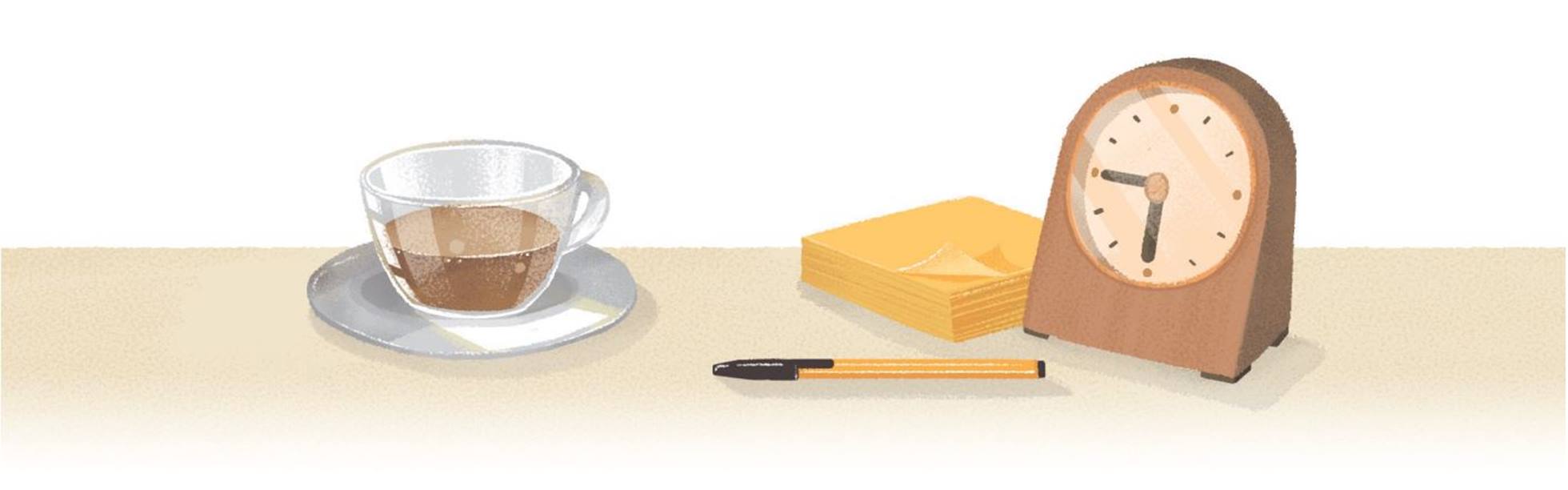
Austin glanced at the clock. Only thirty minutes had passed since he got to work, and the coffee he always sipped to start the day was still half full. He turned to Amy.
“When’s your mother’s appointment?”
She told him it was in about an hour, and that her mother would be arriving at the train station soon. Without another word, Austin stood up.
“Let’s go. I’ll give you a ride.”
Amy blinked, still a little dazed, and hurried after him. When they reached the train station, she thanked him and stepped out of the car.
“You’ve been working hard,” Austin said. “Once you’re done for the day, get some real rest. Come in tomorrow afternoon.”
“Oh . . . thank you.”
“I didn’t consider what you were going through. I’m sorry.”
Amy looked up, eyes wide with surprise. Austin scratched his chin and glanced away.
As Austin pulled away from the station, a quiet warmth settled in his heart—like sunlight breaking through a cloudy morning. He had given up part of his day, driven someone across town . . . and yet, it felt good. He murmured to himself,
“This much . . . is fine.”
His fingers tapped gently on the steering wheel, and the corners of his lips lifted in a soft smile as he headed back to the office.
0