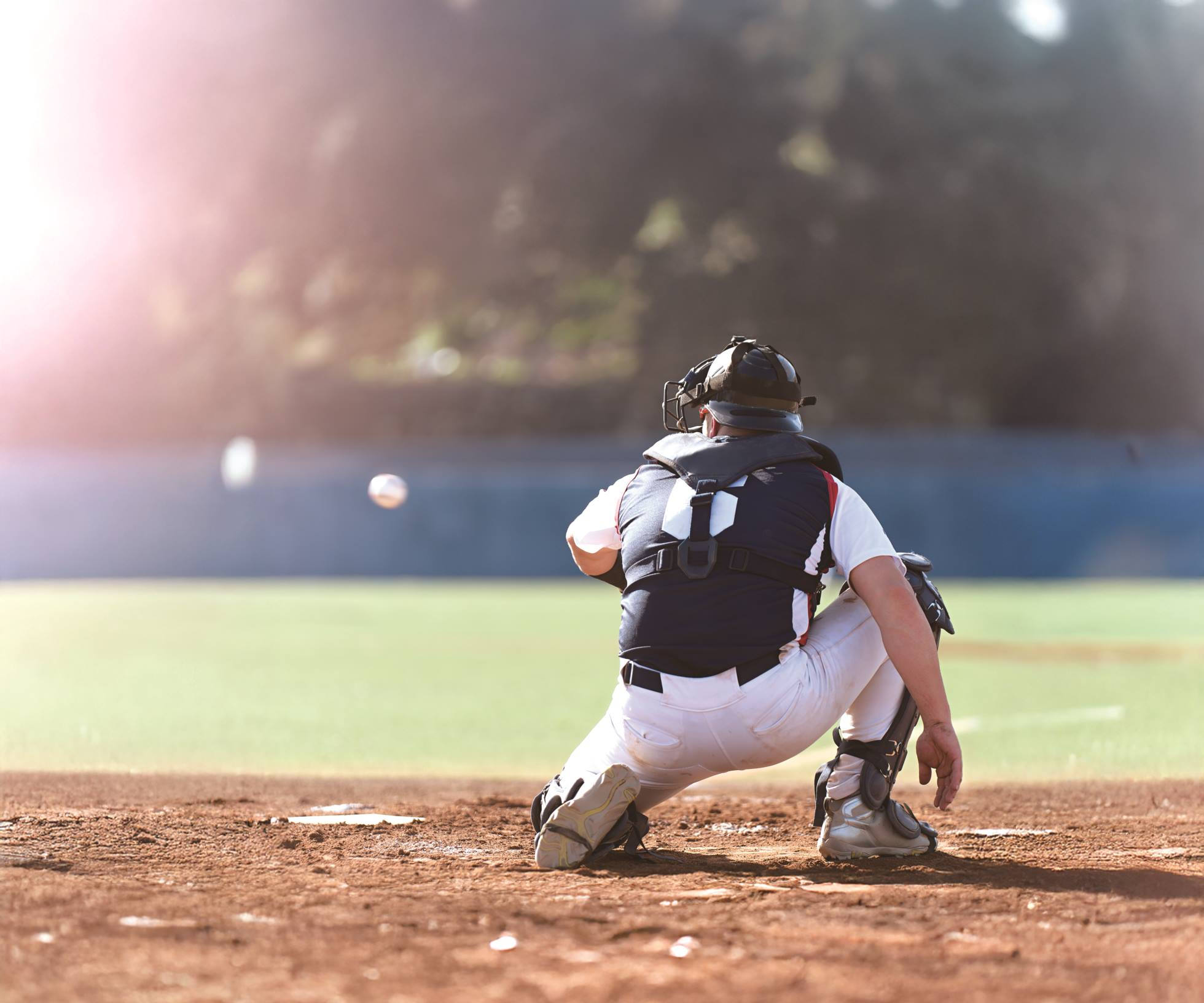
Baseball is a game in which the pitcher throws the ball and the batter swings to hit it in order to score runs. Because every pitch carries the risk of turning into a run for the opposing team, the pitcher shoulders enormous pressure. The one who shares that burden and helps guide the flow of the game is the catcher.
When a batter steps into the box, the catcher and pitcher exchange signs to set their strategy. Stationed directly behind the batter, the catcher studies the hitter’s strengths and weaknesses and decides how best to counter them. Sometimes, in aiming for a pitch that will put the batter at a disadvantage, the pitcher misses the target they had agreed upon, resulting in a wild pitch.
For a pitch the batter doesn’t hit to be called a strike, it must settle in the catcher’s glove. That’s why the catcher must stay focused until the very last moment. Whether the ball bounces in the dirt or takes a sharp, unexpected break, the catcher throws himself into its path, blocking it at all costs. This assurance allows the pitcher to throw with full confidence. No matter how precise his control, it means little if the catcher cannot secure the ball.
Throughout the game, the catcher expends tremendous energy, constantly squatting and springing back up. Facing the risk of foul tips, flying bats, or collisions with runners charging home, he is the only player fully clad in protective gear. Steadfastly guarding the plate, the catcher becomes the pitcher’s stalwart ally—sending strength and courage with the unwavering resolve to handle any pitch that comes his way.
12